en
en  ru
ru  de
de  ar
ar  es
es  nl
nl  hi
hi  fr
fr  it
it  pt
pt  el
el No circles of hell, complex tables, or esoteric rules. Online bingo is not just about randomness, but also about choice. The market offers dozens of options, but which type of bingo should a beginner choose? Everything is taken into account: pace, number of balls, chances of winning, card costs, payout format. Without understanding the basic differences, it’s easy to end up in a game with the wrong rhythm or an overwhelming bet.
Bingo Basics
Bingo is not just a game, but a whole system with dynamics and excitement, where rules can vary depending on the format. Before starting, it’s important to understand the basic elements to choose the right option and enjoy from the first rounds. To make the choice, it’s important to understand how the structure works.
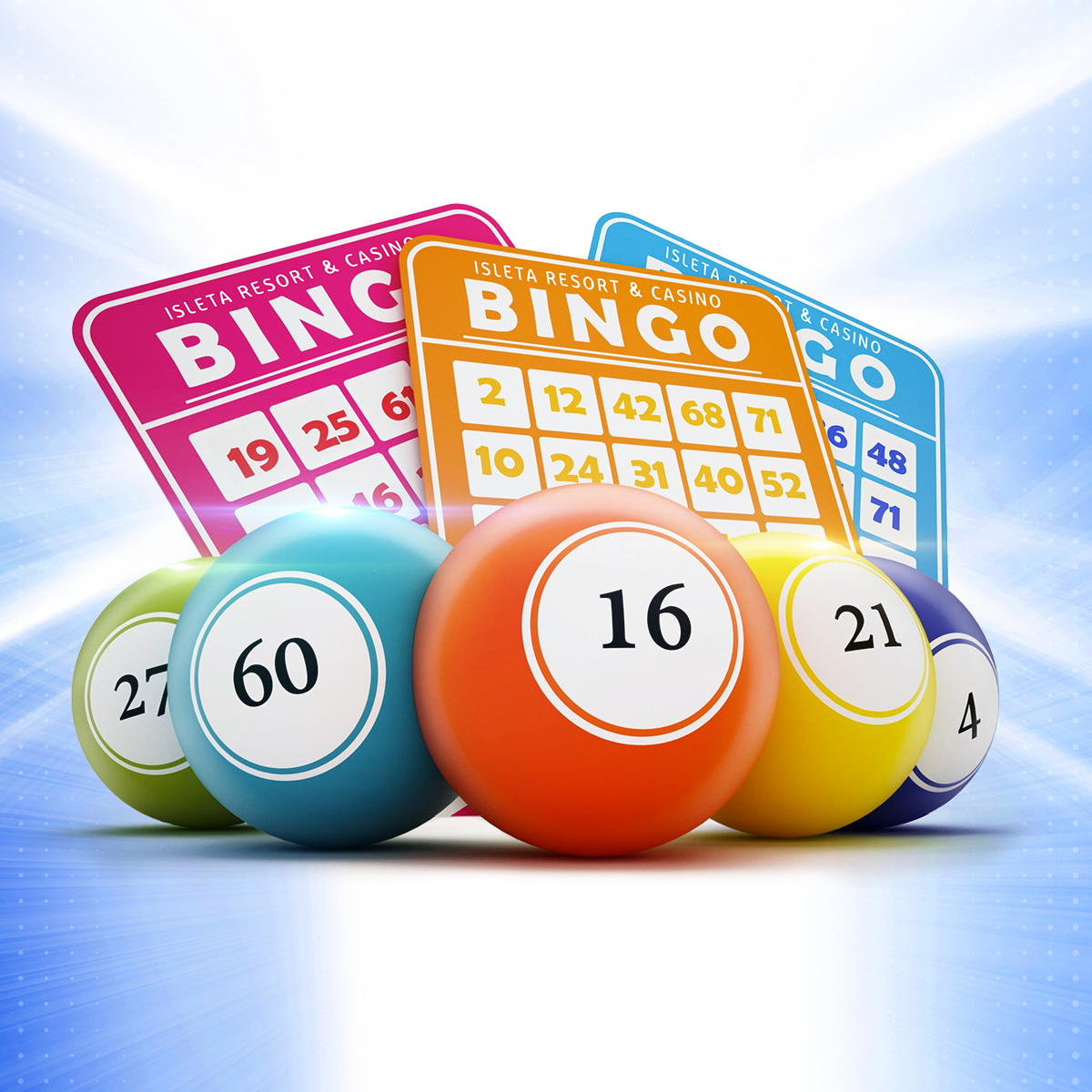
The classic mechanics include:
- cards – a grid with numbers, unique to each participant;
- balls – randomly drawn, the task is to cover specific combinations;
- line, full house, jackpots – winning forms.
The main difference between the variants lies in the number of balls and the rules for counting the winning combination. This is where the first difficulties begin for those who do not know which type of game to choose for a beginner. Pace, complexity, and format determine not only the chances but also the level of engagement.
Most Popular Types of Bingo
 The game exists in various formats – from leisurely to lightning-fast. Each format offers its level of dynamics, structure, and engagement. Understanding the most popular options will help choose the optimal start without unnecessary confusion.
90 Balls: British Classic
This format is standard in the UK and Europe. Each card contains 15 numbers distributed in a 9×3 grid. A total of 90 balls are involved in the game. Winning combinations include one line, two lines, and a full house (entire card).
Suitable for beginners who appreciate thoughtful mechanics and moderate speed. The level of excitement is regulated by the gradual accumulation of prizes.
75 Balls: American Tempo
Common in the USA. The grid is 5×5, numbers range from 1 to 75. The central cell is free. The winning combination includes not only lines but also patterns: diagonals, letters, frames.
Not always intuitive for those seeking a simple start. Before deciding which type of bingo to choose for a beginner, it’s important to assess the perception of pattern logic.
The speed is moderate, and the win depends on the form, not just filling a line.
80 Balls: Golden Mean
The grid is 4×4, each column contains 20 numbers. Winning formats include lines, corners, diagonals. An exciting alternative to 75-ball bingo: more dynamic but not overloaded with rules.
Recommended for those who prefer a game with a balance between chance and excitement.
30 Balls: Flash Mode
Known as Flash Fives. The fastest version. Uses a 3×3 grid, only 30 balls. A round lasts no longer than a minute.
Not about tactics – it’s about impulse.
For those choosing the most popular types of online bingo for beginners, it’s worth trying Flash Fives only after mastering slower formats. Here, reaction speed is crucial, not strategy.
Tips for Beginner Players on Choosing a Bingo Type

Mistakes at the start not only affect the balance but also demotivate. To avoid this, tips for choosing include:
- Assess the session duration. The 90-ball format requires time and concentration, the 30-ball is suitable for a dynamic break.
- Compare card costs. Some types offer a start from $0.10, but the jackpot can reach $10,000. Conditions are specified on the platform.
- Clarify the rules. Simple conditions mean fewer mistakes. 75 and 90 balls are the most predictable for beginners.
- Analyze the jackpot. Progressive jackpots are often included in games with 90 and 80 balls.
- Choose a convenient visualization. Online versions vary greatly in interface. Clear graphics reduce the risk of missing a winning combination.
- Check for auto-closing cards. This feature is especially important in multi-card games.
- Study the platform’s rating. Many sites offer training and demo modes – an excellent option for beginners.
An optimal start is ensured not by intuition but by a thoughtful combination of format, interface, and platform functionality. A precise choice of type will eliminate chaos and turn the game into a systematic series of actions.
Online Bingo Varieties
The digital format has expanded the range of entertainment. Classic bingo types have been complemented by gaming hybrids. For example:
Progressive Jackpot Bingo
Each purchased ticket increases the main prize. The format is often integrated into 90-ball versions. It emerged due to the growth of online gambling and the development of multiplayer technology.
Speed Bingo
The game lasts no more than 1–2 minutes. Online bingo types in this category often use 30 balls. Here, the win is achieved by a line. Minimalistic cards and instant results prevail.
Themed Bingo
Cards themed after movies, TV shows, or events. It does not affect the mechanics but enhances engagement. Especially popular among those who cannot decide which bingo to choose for a beginner and want to relax in a thematic interface.
Choosing Bingo Type for a Beginner: Jackpot and Chances
Each format offers different winning probabilities. Chances depend on the number of players, number of cards, and draw format.
Statistics:
- 90 balls: full house chance – 1 in 90 with one card;
- 75 balls: pattern win – 1 in 75;
- 30 balls: full house – 1 in 30, but high competition.
Progressive jackpots are more common in 75- and 90-ball versions. The minimum contribution can be $0.50, while the prize pool often reaches $50,000. Players choosing which type of bingo to choose for a beginner should consider not only the potential reward but also the conditions for obtaining it: speed, number of players, prize pool volume.

Choosing Bingo Type for a Beginner: Conclusions
 Which type of bingo to choose for a beginner? Optimal is the one with simple structure, moderate pace, and clear rules. Formats with 90 or 80 balls are the best start: intuitively clear, without unnecessary stress.
There’s no need to risk money – start with free versions to feel the mechanics. A conscious choice of the game is more important than attempts to guess the win.